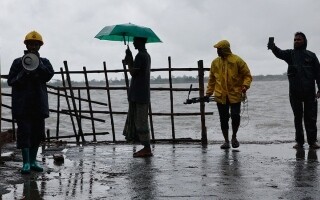
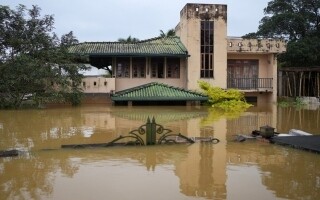
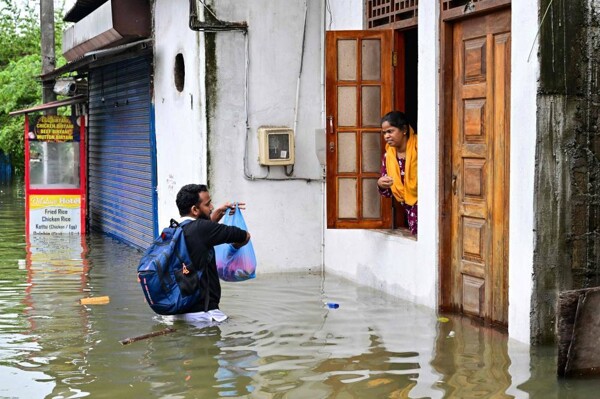
The devastating floods submerging Sri Lanka have left over 400 dead and 336 missing, and the island nation is under a health alert due to an increased risk of infectious diseases as the country faces one of its worst rainfall episodes in decades. Indonesia and Sri Lanka are searching for survivors amid the severe floods affecting countries in South and Southeast Asia, including Thailand, with around 1,300 dead and hundreds missing combined due to the effects of heavy rains that have ravaged the region for weeks. This independent research institute indicated that losses in the hardest-hit areas—especially the provinces of Aceh, North Sumatra, and West Sumatra—amount to 68.67 trillion rupiah (over 4 billion US dollars). According to the Department for Disaster Control and Mitigation, nearly four million people have been affected by the bad weather in Thailand, which has incurred multimillion-dollar losses from the damage left by the heavy rains. The bad weather arrived at the end of November, when three cyclones coincided in South and Southeast Asia, capping a disastrous month in the region that had previously experienced intense rainfall in the Philippines, Vietnam, Malaysia, and Thailand. Over 1.3 million people have been affected by the bad weather in Sri Lanka, where the number of displaced people in temporary shelters exceeds 200,000, according to the latest update from the Disaster Management Center (DMC). Thailand. As the accumulated water recedes in the 12 southern Thai provinces affected by flooding, the Southeast Asian nation is focusing its efforts on cleanup and reconstruction operations after 181 people lost their lives. The tropical storm and typhoon season has been particularly harsh this year for these countries, and experts attribute the intensity to ocean warming, while its devastating impact is linked to deforestation or lack of urban planning, among other factors. One of the most devastated provinces is Songkhla, where 140 of the total fatalities were recorded and water levels reached up to three meters in height at some points. The Sri Lankan Meteorological Department warned on Tuesday of more rains in the northern and southern provinces, while urging the population to take extreme precautions against strong winds and associated electrical storm activity. The Center for Economic and Legal Studies (CELIOS), based in Jakarta, pointed in a report to deforestation in the affected region, as well as the expansion of oil palm plantations and mining activities, as triggers for the "ecological disaster." Indonesia. Indonesia emerges as the country most affected by the floods and landslides caused by recent rains, concentrated in Sumatra, the second-largest island in the archipelago, located on the extreme west of the country. Colombo warned of an increased risk of contracting dengue, diarrhea, and leptospirosis—a zoonotic disease—as contaminated water and mud cover vast areas of the country, and several hospitals are operating with limitations due to power outages and lack of drinking water. Early in November, the supertyphoon Fung-wong and the virulent typhoon Kalmaegi hit Southeast Asia, causing more than 260 deaths in the Philippines and Vietnam. The National Agency for Disaster Management (BNPB) reported on Tuesday of nearly 750 fatalities and over 550 missing, through a website created to monitor the effects of the bad weather.

Devastating Floods in Sri Lanka Trigger Health Alert
Devastating floods in Sri Lanka have killed over 400 and left hundreds missing. The island nation faces a health crisis due to the risk of disease outbreaks as the region reels from one of its worst weather events in decades.